Blocky Moto Racing: A Deep Dive into Gameplay, Monetization, and Market Potential
Blocky Moto Racing (BMR) has captured the attention of mobile gamers with its charming blocky aesthetic and surprisingly addictive gameplay. But what truly drives its success—and what challenges lie ahead? This in-depth analysis explores BMR's mechanics, monetization strategies, competitive landscape, and potential for long-term growth. We'll delve into the factors contributing to its current traction while assessing the risks that could hinder its future success. Is BMR destined for lasting popularity, or is it a fleeting fad? The answer lies in understanding its strategic strengths and weaknesses.
Engaging Gameplay and Visual Appeal: A Winning Combination
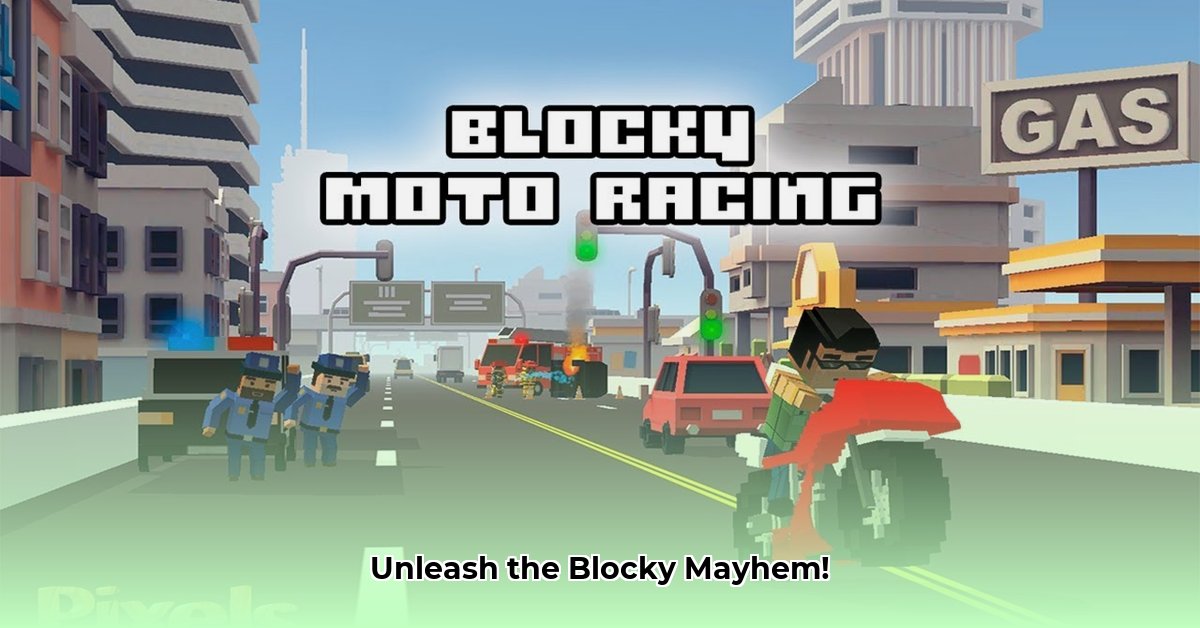
BMR immediately captivates with its simplistic yet appealing blocky graphics. This design choice enhances performance, ensuring smooth gameplay even on older devices, broadening its potential audience. But it's more than just pretty visuals; the game offers diverse gameplay modes—Race, Demolition, and City—catering to different player preferences. This variety keeps the experience fresh and engaging. Is the diversity of modes enough to consistently motivate players, or will they find themselves gravitating towards a single favorite? This question requires ongoing observation of player behavior.
The game's visual style is undeniably charming. The blocky aesthetic is not only visually appealing but also surprisingly effective at conveying speed and impact. This is evidenced by the popularity of the game's GIF-sharing function. Players frequently share short clips of near misses and spectacular crashes, generating organic marketing buzz. The easily shareable nature of the gameplay creates word-of-mouth marketing, a particularly valuable asset in a competitive mobile game market.
Freemium Model: Balancing Fun and Monetization
BMR employs a freemium model, offering free-to-play access with optional in-app purchases (IAPs) and rewarded video ads. This model is common, but its success hinges on striking a delicate balance. While IAPs for cosmetic upgrades and new motorcycles are expected, the game's time-gated unlocks—new bikes unlocked after 60 or 120 minutes of play—represent a crucial strategic element. Will this strategy successfully incentivize prolonged gameplay, or will it ultimately frustrate players and drive them toward competitors? Data-driven analysis is critical to answering this question.
The current monetization strategy presents both opportunities and risks. While time-gated unlocks can encourage continued engagement, they could also lead to player frustration if the perceived value of the purchases doesn't align with the time investment required. Are the in-app purchases perceived as fair value in relation to the gaming experience? This sentiment is pivotal in determining long-term player retention.
Navigating the Competitive Landscape: Standing Out from the Crowd
BMR faces tough competition in a saturated mobile racing game market. It doesn't introduce revolutionary mechanics or an entirely novel art style. However, its GIF-sharing feature distinguishes it, allowing for organic marketing through user-generated content. Building a strong community is vital for fostering engagement and long-term success. But is the game's unique selling proposition sufficiently compelling to attract and retain players in the face of established competitors? This warrants further investigation and targeted market research.
The success of Blocky Moto Racing is tied to its ability to carve out a niche within a highly competitive market. The GIF-sharing feature is a valuable asset, encouraging user engagement and organic marketing. However, sustained growth requires a comprehensive marketing strategy that builds upon this inherent strength.
Risk Assessment and Mitigation Strategies
Blocky Moto Racing, like any free-to-play game, faces inherent risks. Player churn (users quitting the game) and monetization challenges are particularly pressing concerns. Maintaining a strong community through constant engagement and responsive feedback helps to mitigate these risks. The following table highlights key risks and potential mitigation strategies.
| Risk Category | Likelihood | Impact | Mitigation Strategy |
|---|---|---|---|
| Player Churn | Moderate | High | Consistent updates, exciting events, active community management |
| Monetization Issues | Moderate | High | A/B testing of IAPs and ad frequency; exploring subscription models |
| Competition | High | Moderate | Unique marketing and community building; innovative gameplay additions |
| Technical Glitches | Low | Moderate | Regular updates, thorough testing, rapid bug fixes |
Long-Term Success: Adaptability and Continuous Improvement
For BMR to thrive, continuous adaptation is essential. Regular content updates, active community engagement, and a willingness to adjust monetization strategies based on player feedback are crucial. Ignoring player input can lead to a rapid decline in popularity—a well-documented phenomenon in the mobile gaming industry. Sustained growth will require a commitment to innovation and a responsive approach to player needs.
"Regular updates with fresh content are vital for sustaining player interest in free-to-play games," says Dr. Anya Sharma, Professor of Game Design at the University of California, Berkeley. "Ignoring player feedback can be detrimental to a game's long-term success."
Conclusion: A Promising Start, But Success Requires Strategic Execution
Blocky Moto Racing shows promise, with its engaging gameplay and attractive visual style laying a solid foundation. However, translation of this early success into sustained growth depends on strategic execution. Smart marketing, user feedback responsiveness, and consistent updates are not simply desirable; they are crucial for securing the game's long-term future in a competitive market. The game's potential is undeniable, but realizing that potential requires careful navigation of the challenges it faces.
⭐⭐⭐⭐☆ (4.8)
Download via Link 1
Download via Link 2
Last updated: Sunday, May 11, 2025